

Guest Blogger: Vaishnavi M.A.
My journey into forensic science began with a desire to pursue something unique and intellectually stimulating. I have always been curious by nature and enjoyed solving problems, which led me to choose forensic science as my field of study. During my academic journey, I developed a particular interest in questioned document examination and crime scene investigation. I completed my B.Sc. (Hons.) in Forensic Science, followed by an M.Sc. in Forensic Science, and later earned the CHFI (Computer Hacking Forensic Investigator) certification.
I was first introduced to digital forensics during my undergraduate studies. As technology became an integral part of daily life and cybercrimes continued to increase, I realized the growing importance of digital investigations. My interest in digital forensics was driven by curiosity, career opportunities, and the increasing demand for professionals in this field.
Before entering the field of digital forensics, I had several misconceptions. Coming from a non-computer science background, I believed that digital forensics was extremely difficult and that only individuals with extensive technical knowledge or engineering backgrounds could succeed in it. Concepts such as evidence preservation, acquisition, and analysis in digital environments seemed overwhelming. Many aspects of the field appeared to be a mystery to me.
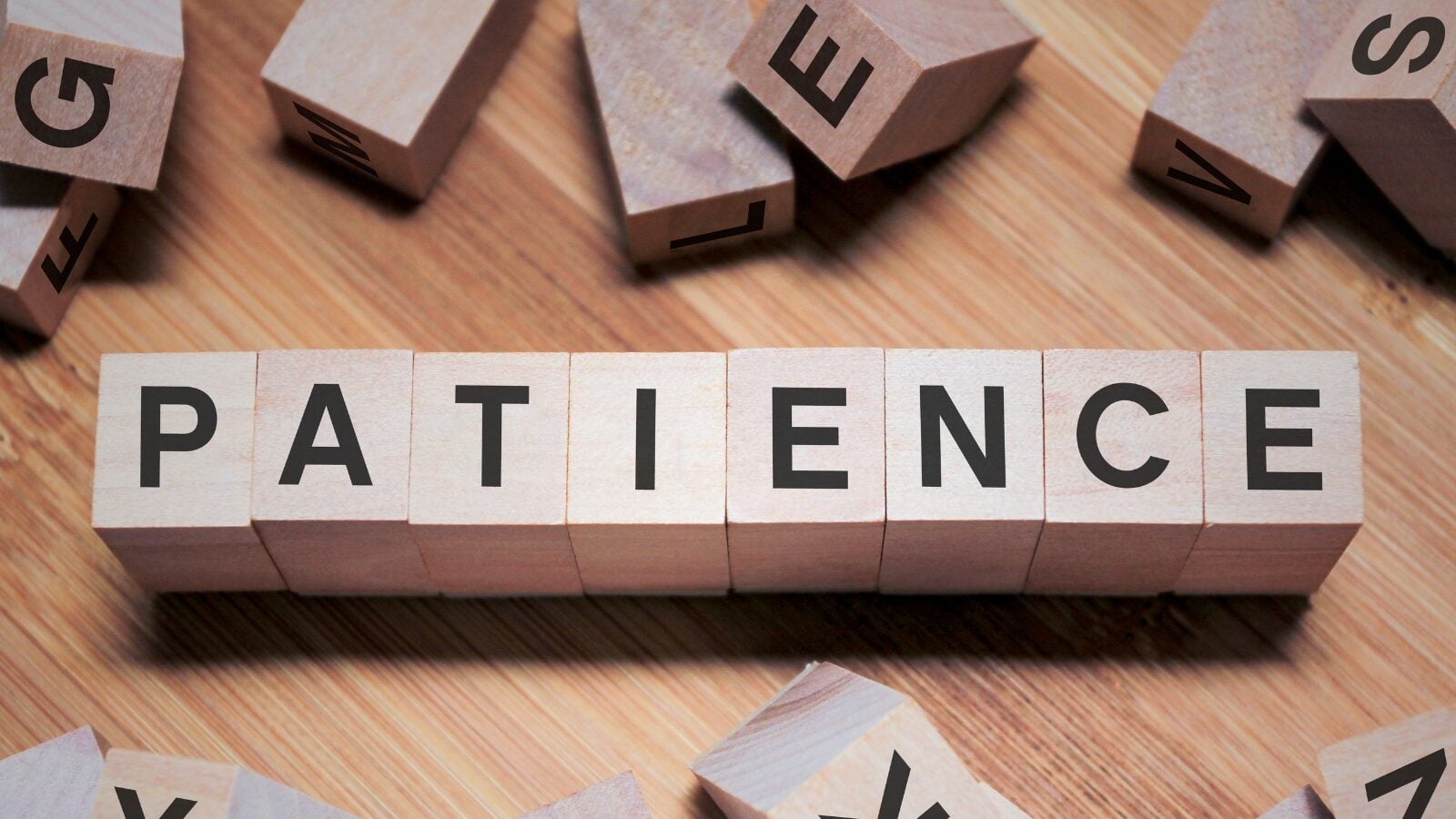
However, my perspective changed once I began learning digital forensics. I discovered that while the field requires technical understanding, it is not inaccessible to those from traditional forensic science backgrounds. What matters most is dedication, curiosity, and patience. Patience, in particular, is one of the most valuable qualities in digital forensic investigations, as analysis often requires careful examination over extended periods. With consistent learning and practice, I realized that many of my fears were based on misconceptions rather than reality.
One of the biggest challenges I faced was the lack of foundational technical knowledge. Initially, understanding operating systems, file systems, networking concepts, cybersecurity fundamentals, and command-line tools was difficult. There were moments when I felt that students from computer science backgrounds had an advantage. However, I gradually understood that while such a background may provide a head start, it is not a requirement for success. Through continuous learning and hands-on practice, these concepts became easier to understand and apply.
Like many beginners, I also experienced self-doubt. At times, I questioned whether I could succeed in the field. Eventually, I realized that these were mental barriers I had created for myself. Overcoming those doubts became an important part of my professional growth. One of the most interesting discoveries during my transition was the realization that traditional forensic science and digital forensics share many core principles. Evidence collection, preservation, handling, analysis, and documentation are critical in both disciplines. Knowledge of chain of custody, evidence integrity, analytical thinking, report writing, and forensic methodology proved highly valuable in digital investigations. The forensic mindset developed through traditional forensic science provided a strong foundation for approaching digital evidence systematically and objectively.
My learning journey included formal coursework during both my undergraduate and postgraduate studies. To strengthen my practical skills, I completed the CHFI certification offered by EC-Council and gained hands-on experience at Hawk Eye Forensics under the
guidance of Ashish Singh Kunthal. These experiences helped bridge the gap between theoretical knowledge and real-world digital forensic investigations. For forensic science students who are considering a career in digital forensics, my advice is simple: do not hesitate to take the first step. If you are genuinely interested in the field, pursue it with confidence. Every opportunity to learn, practice, and gain exposure contributes to your growth. A non-technical background should never discourage you from exploring digital forensics. With determination and consistent effort, success is achievable.
Looking back, if I were to start my journey again, I would explore cyber forensics much earlier. The field offers diverse opportunities across corporate organizations, forensic laboratories, law enforcement agencies, and government sectors. As cybercrime continues to evolve, the demand for digital forensic and incident response (DFIR) professionals is expected to grow significantly.
What excites me most about digital forensics is that there is always something new to learn. Every investigation presents unique challenges, and no two cases are exactly the same. This constant learning environment keeps the field dynamic and engaging. The transition from traditional forensic science to digital forensics has had a significant impact on my career perspective. It has expanded my opportunities and demonstrated that the skills acquired in traditional forensic science remain highly relevant in the digital world. My journey has taught me that success in digital forensics is not determined by one’s academic background but by curiosity, persistence, patience, and a willingness to learn. Forensic science students should view digital forensics not as a separate discipline, but as an extension of the investigative principles they already understand. With the right mindset and commitment, the transition can open the door to a rewarding and rapidly growing career.


Forensic-Impact Articles

How Government Buyers Can Verify Digital Forensics Vendor Provenance: A Practical Guide
When government agencies buy digital forensics tools, they aren't just buying software. They're investing in the integrity of evidence that can affect people's liberty, national security and public trust. Recent federal attention to supply chain and foreign-adversary...
The Four Foundation Questions of Digital Forensics
In digital forensics, technology moves at lightning speed and lately at GPU speed as well. Apps, encrypted mobile operating systems, cloud artifacts, and complex IoT devices change almost daily. Yet, despite this constant evolution, the core foundation of legally...

Before Direct NAND Acquisition: Diagnosing an Undetectable Monolithic SD Card
Guest Blogger: Yevgeniy Kapishon | Aesonlabs Data Recovery Undetectable Is a Symptom, Not a Diagnosis When an SD card is not detected by a computer, reader or recovery system, the failure is often attributed immediately to the controller or NAND flash memory. With...