

Guest Blogger: Shatakshi Khadke
“In the courtroom, machine-generated timelines often speak louder than human doubt.”
Digital evidence is presented into court with an invisible badge of authority. A timeline is extracted by a tool, a log generated by a system, or a visualization produced by software is often treated as neutral, objective, and unquestionable. Machines don’t lie, we assume— people do, but machines do something more subtle. They interpret. But this faith in automation quietly shifts power away from human judgment and toward algorithms whose inner workings are rarely interrogated. When a timeline is generated, it doesn’t just describe events; it subtly asserts truth, even when that truth is stitched together from assumptions, defaults, and incomplete data.
A forensic timeline is not a raw event. It is a reconstruction built from timestamps, metadata, system logs, and tool-specific parsing rules. It reflects what the software understood from the data — not necessarily what happened. Rows of numbers appear, timestamps, transactions, neatly ordered discrepancies, no emotion, no hesitation- Just data. It looks clean, precise, mathematical and because it looks that way, it feels true.
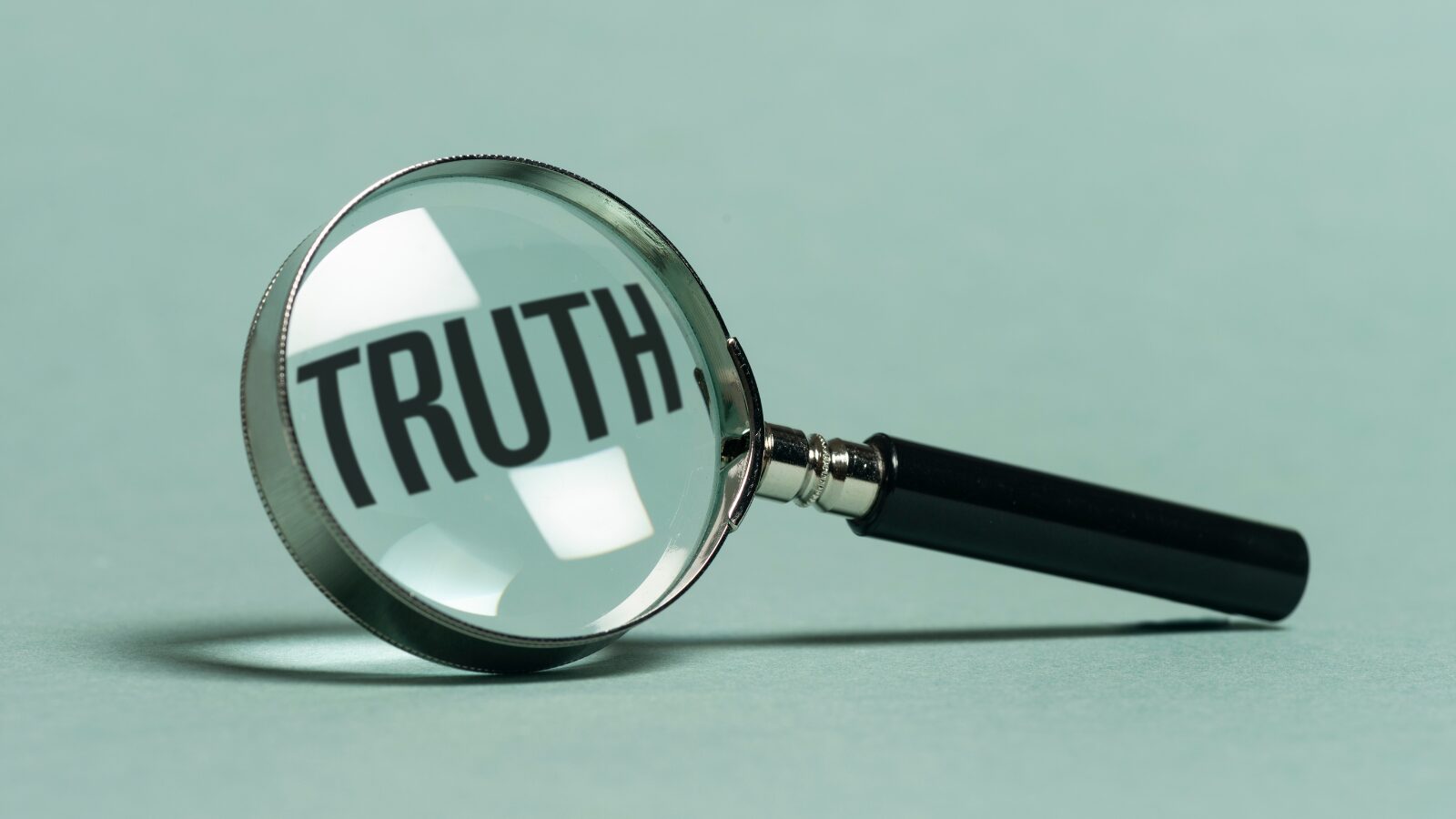
Interestingly, this mirrors a habit long mastered by journalists: ending headlines with a
question mark. “Did This Evidence Prove Guilt?” A question mark gives plausible deniability—it plants suspicion without making a claim. Machine-generated evidence does something similar, but more dangerously. It doesn’t use punctuation; it uses structure, timestamps, and clean visual order to suggest certainty while quietly sidestepping ambiguity.
For years in the United Kingdom, that exact kind of screen changed lives forever when took place the HORIZON SCANDAL. The Post Office’s Horizon software began showing financial shortfalls in branch accounts. Thousands of pounds were missing and the system logged discrepancies and when reports were generated, the numbers didn’t lie — or so everyone believed. Sub-postmasters insisted something was wrong. They had not taken the money. They had not falsified accounts. But the software said otherwise. And in court, the software spoke louder than they did. The structured output, the cold, calculated figures – carried more weight than human testimony. If the system recorded a deficit, then a deficit must exist. That was the assumption. But Horizon wasn’t infallible. It contained bugs, data errors, system failures. The discrepancies weren’t proof of theft; they were proof of flawed software. Yet the data looked precise. And precision is persuasive.
This is the quiet danger of digital evidence. It doesn’t need to fabricate information to create a false truth. It only needs to present interpretation as certainty. A timestamp that reads 22:41:08 feels definitive. But that number depends on system clocks, synchronization
processes, software configurations, and parsing logic. A digital timeline isn’t a recording of reality it’s a reconstruction built from stored artifacts. We forget that.
Because machines don’t stutter. They don’t hesitate. They don’t end sentences with question marks. Journalists often do. “Did He Manipulate the System?” “Was the Data Altered?” The question mark leaves room for doubt. It signals uncertainty. It admits that interpretation is
involved. Digital forensic reports rarely do that. They don’t say, “The data may suggest…” They say, “The records show…” The question mark disappears. And with it, so does visible uncertainty.
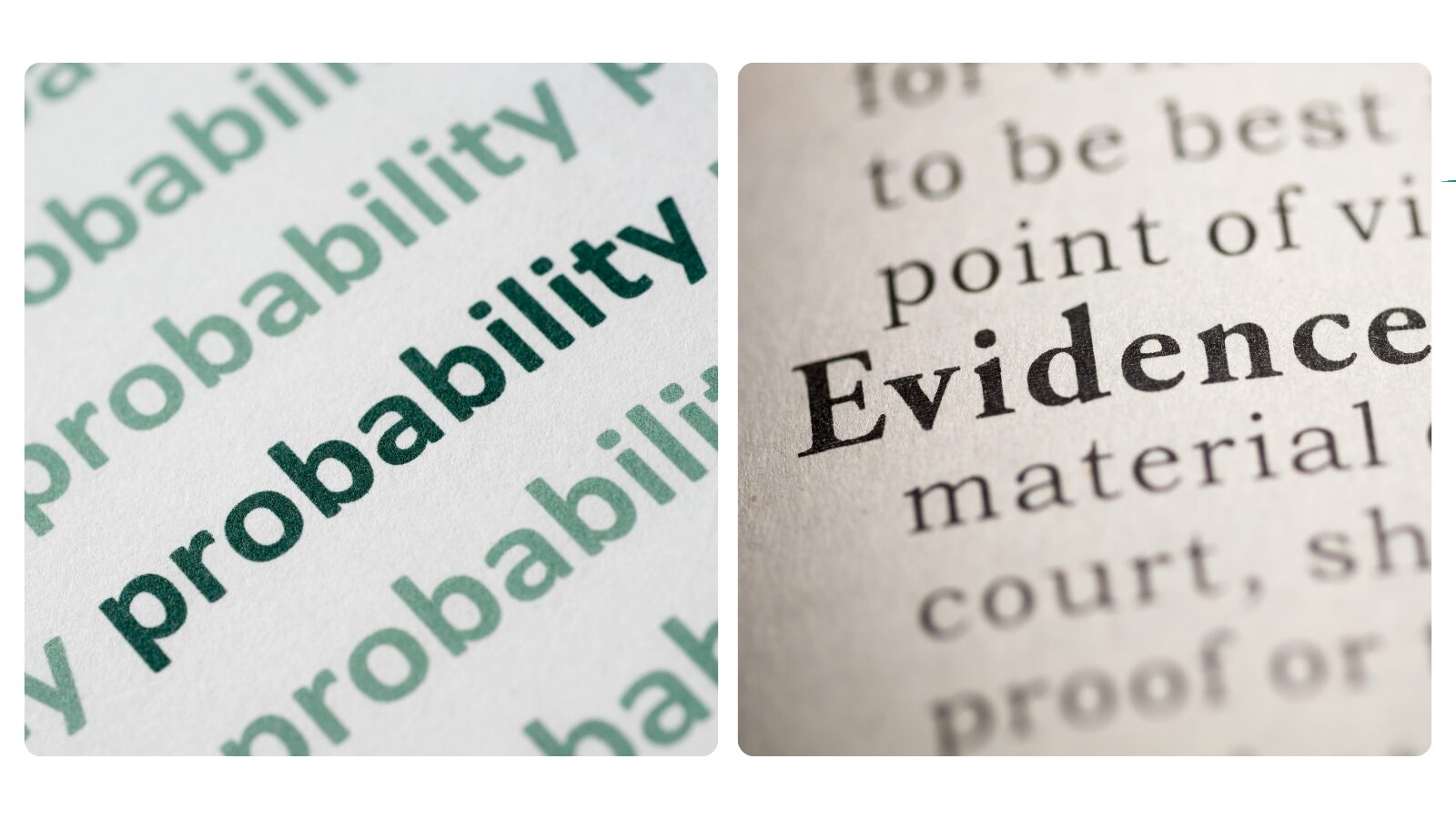
There’s a psychological reason for this. We are wired to trust automation. When a machine produces an output, we assume it is neutral. Objective. Free from bias. But machines interpret too. They are built by humans.
The Horizon scandal exposed what happens when system output becomes unquestionable.
When structured data is treated as proof instead of evidence to be examined. When “the
computer says so” becomes the final word. Digital evidence is powerful. In many cases, it is indispensable. But it is not sacred. It deserves the same skepticism we apply to human witnesses. It deserves cross-verification. It deserves context. Because if we remove the question mark from machine-generated truth, we risk replacing justice with formatted certainty. And formatted certainty can be dangerously convincing. So what do we do with
this? We don’t abandon digital evidence. We don’t distrust technology entirely. But we stop treating machine output as unquestionable truth. Every digital timeline should come with context. Every parsed artifact should be explained, not just displayed. Reports should reflect probability, not certainty. Tools should be validated against other tools. Findings should be reproducible. And most importantly, examiners must be transparent about limitations — not just conclusions.
Digital evidence must carry its own question mark. Not because it is unreliable — but because it is interpretive. Courts should ask: How was this data extracted? What assumptions were built into the tool? Could the system have malfunctioned? Was this result independently verified? Technology is powerful. But power without scrutiny becomes dangerous.



Forensic-Impact Articles

No Photons, No Alibi
A Conservation-of-Trace Framework for Authenticating Imagery in the Age of Generative AIGuest Blogger: Khaled S. Al Sannat Generative models have dissolved the oldest working assumption of visual evidence: that a photograph is, by default, a witness. The reflex of the...
Unmasking the Synthetic: Using Metadata to Spot AI-Generated Images
Most images now feel like they have the touch of AI, where they feel too perfect. Sometimes the image looks clean, the lighting checks out, and the subject seems real. It is time to start doubting the content and do a deeper dive. I’ve been looking at image files for...
Mapping Threat Patterns Using Publicly Available Data
Guest Blogger: Ruqaya Osman Cybersecurity teams have long operated in two distinct lanes: those who investigate incidents after they occur, and those who gather intelligence to anticipate future threats. Digital Forensics and Incident Response (DFIR) practitioners...