

Guest Blogger: Shatabdi Malik
In today’s hyper-connected world, data breaches aren’t rare headlines anymore — they’re daily reality. Over the past year alone, we’ve seen record-shattering leaks that have compromised millions — and in some shocking cases, billions — of sensitive records worldwide.
One of the most jaw-dropping incidents? A massive credential dump that exposed a staggering 16 billion records stolen from major online platforms. And between 2024 and mid-2025, at least five mega-breaches have reminded us just how fragile our digital privacy really is.
In June 2025, for example, a Chinese surveillance database leak spilled 4 billion records, including WeChat, Alipay, and detailed behavioral profiles. Earlier this year, a misconfigured Volkswagen cloud server leaked data tied to over 15 million vehicles, affecting around 800,000 electric car owners. In late 2024, National Public Data — a background-check broker — was breached, compromising 2.9 billion records, including Social Security numbers and deeply personal details. And in mid-2024, a massive Snowflake breach saw hackers infiltrate 160+ customer environments, hitting well-known companies like AT&T and Ticketmaster.
These staggering incidents highlight a hard truth: robust cybersecurity, vigilant monitoring, and fast response plans are no longer optional — they’re survival essentials.
So, what’s really causing all these data breaches?
While headlines often point fingers at shadowy hackers, the truth is much simpler — and more alarming. The two biggest culprits behind most breaches are weak or stolen credentials and human error or misconfigured systems. Reused passwords or easy-to-guess logins are low-hanging fruit for attackers, especially when combined with phishing tricks or previously leaked credentials. On the other hand, a single misstep — like leaving a database exposed or misconfiguring cloud storage — can hand over sensitive data on a silver platter.
But it doesn’t stop there. Phishing and social engineering continue to trick users into revealing critical information. Outdated software creates open doors for attackers through unpatched vulnerabilities. Insider threats, whether intentional or accidental, are just as dangerous as outside hackers. And as more companies migrate to the cloud, poor cloud security and misconfigurations are becoming silent but deadly risks.
How to Check If Your Data Has Been Breached — And What to Do Next
When headlines scream about the latest data breach, it’s natural to wonder: “Was I affected?” The good news? You don’t have to sit in the dark — there are powerful (and often free) tools that can show if your email, phone number, or credentials have been exposed. Here’s how to check — step by step — with screenshots to guide you:
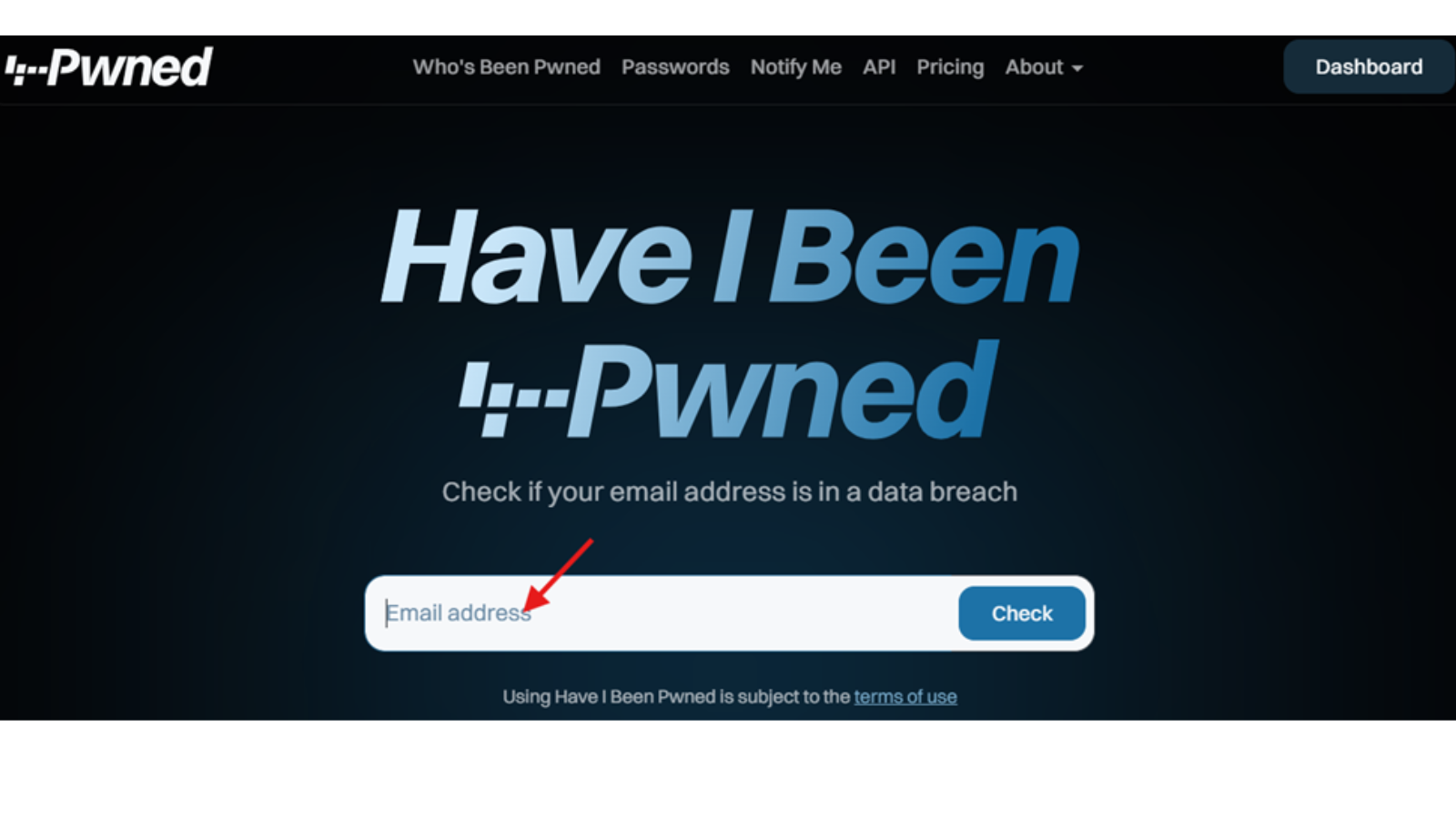
- Have I Been Pwned — The Gold Standard
Just enter your email and instantly see if it’s appeared in any known breaches. It’s fast, free, and doesn’t require sign-up. A must-try for everyone.
Website link: https://haveibeenpwned.com/
- Firefox Monitor — Your Personal Breach Scanner
How to Use Firefox Monitor to Check for Data Breaches (Step-by-Step)
Website link: https://monitor.mozilla.org/
- Go to monitor.firefox.com
Open the site in your browser. It’s free and safe — you don’t need a Firefox account, but creating one lets you get ongoing breach alerts.
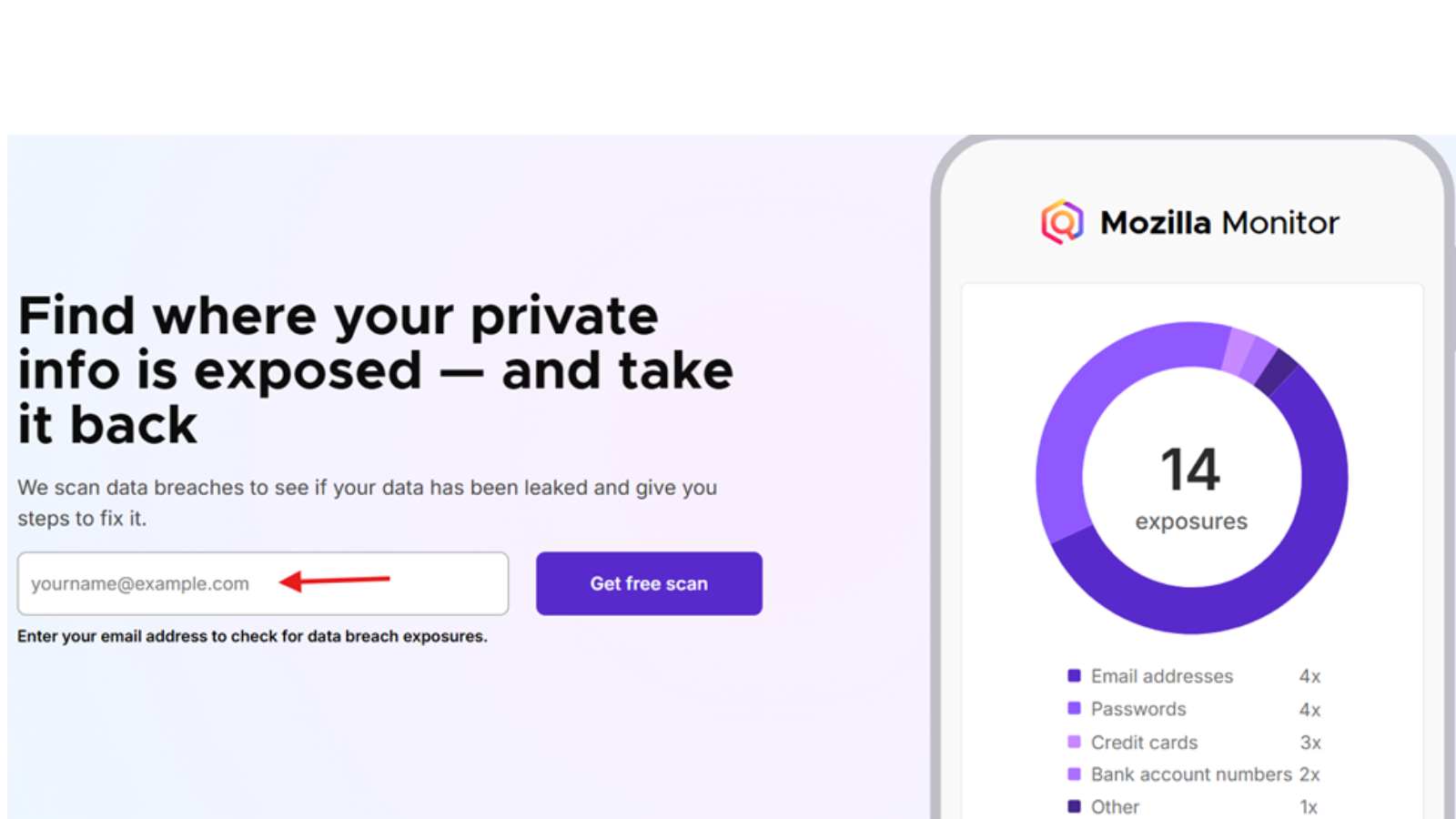
- Enter your email address
Type the email you want to check (like your personal or work email) and click “Scan”. Firefox Monitor will compare it against its huge database of known data breaches. - See if you’ve been breached
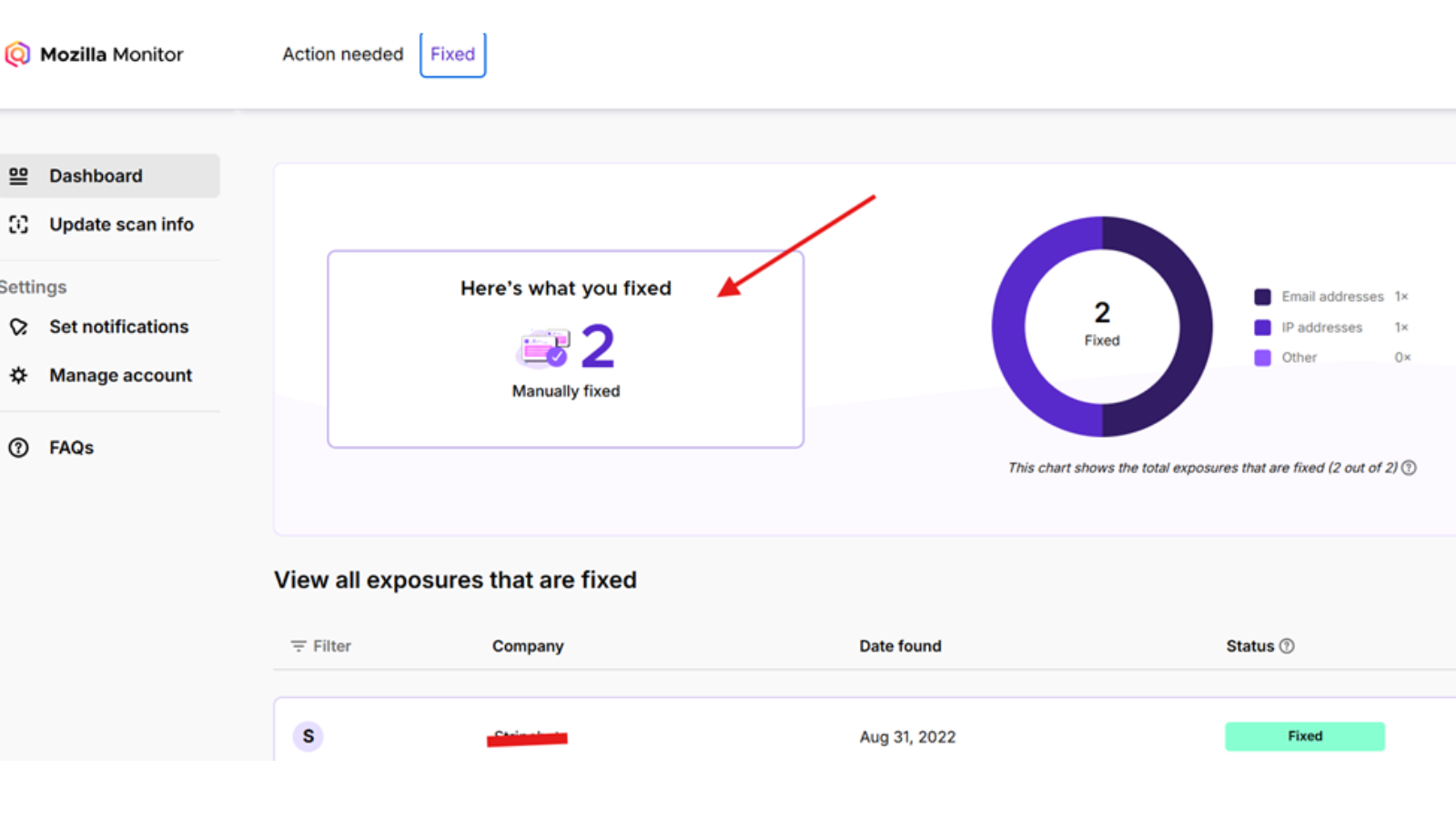
If your email shows up, you’ll see when and where it was exposed (like “LinkedIn 2012 breach”). Firefox Monitor doesn’t fix the breach, but it alerts you so you know which accounts to update. - Fix it immediately
If your email appears in a breach, change your password for that service right away — and anywhere else you used the same password. Use a strong, unique password and turn on 2FA if possible.
- IntelX — For Deeper, More Technical Searches
Search leaked data sets, usernames, or email addresses with more granularity. Useful for advanced users or researchers.
- LeakCheck — Scan for Password Leaks
Check if your email, password, or domain has been part of a breach. Offers both free and premium results.
- 5. Telegram Bots — Real-Time Breach Alerts
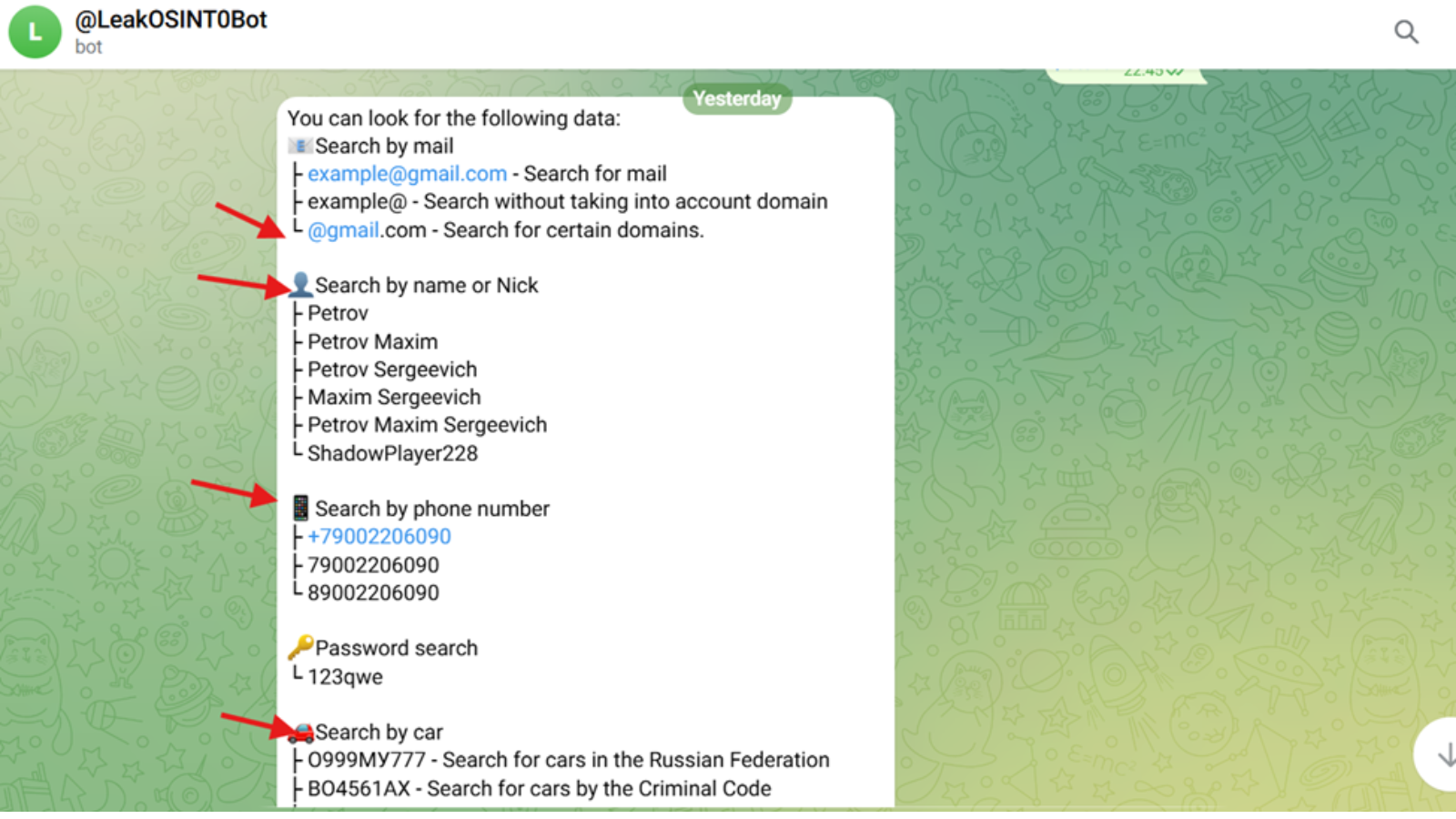
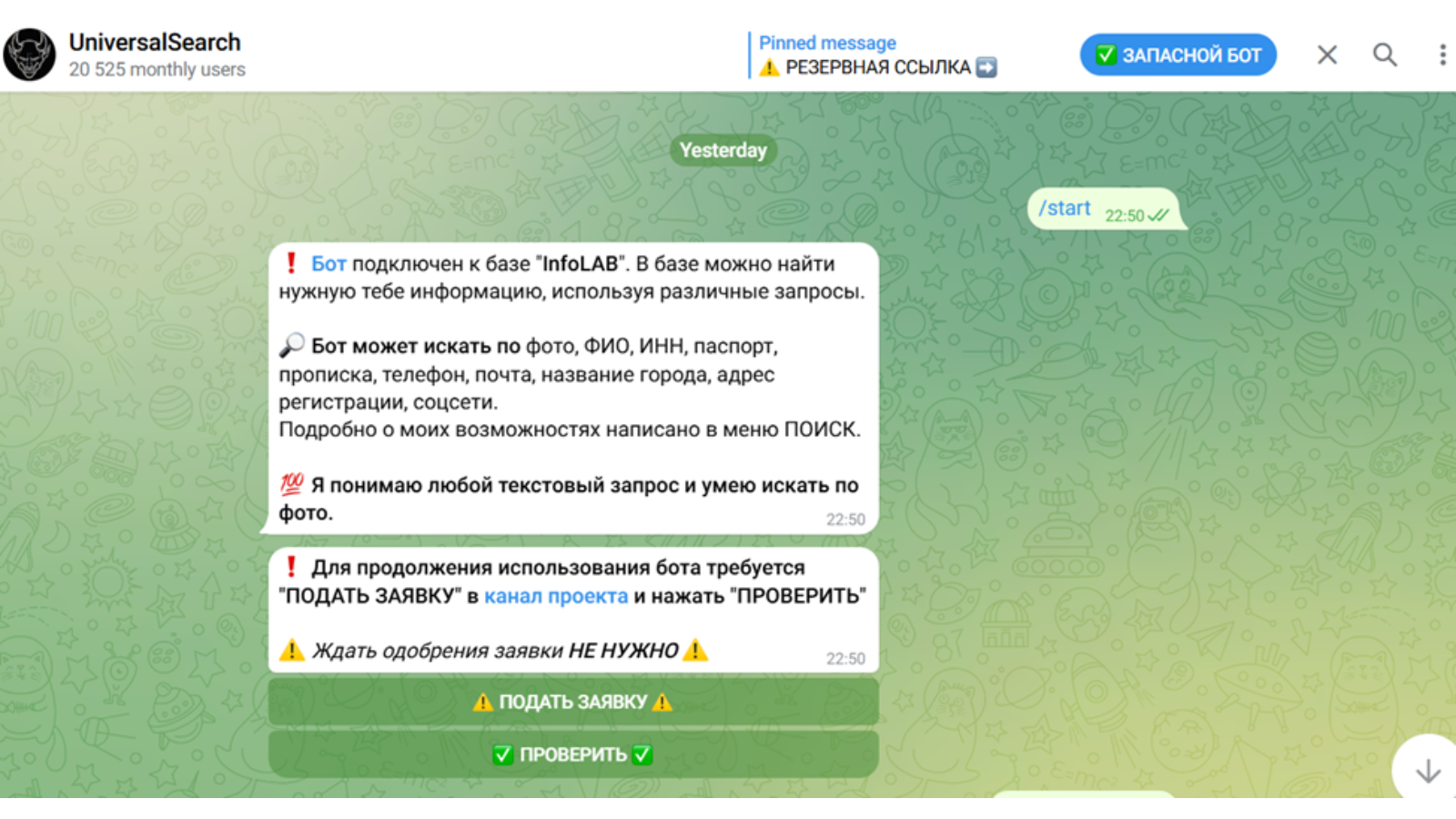
Certain Telegram bots (like @LeakOSINTbot or @UniversalSearchBot) can notify you when your email or username appears in a new leak. Super useful for tech-savvy users.
Is There a Tool That Can Guarantee Your Data Won’t Be Breached?
Short answer: No.
Even the most advanced security software can’t promise complete protection. That’s because cyber threats aren’t just technical — they often succeed through human error, social engineering, stolen credentials, insider threats, or weaknesses in third-party services.
That said, a smart combination of tools and habits can dramatically lower your risk. Think of them like seatbelts and airbags: they don’t prevent every accident, but they protect you when things go wrong.
Essential Tools to Reduce the Risk of a Breach
- Password Managers
Tools like 1Password, Bitwarden, or Dashlane generate and store strong, unique passwords, eliminating the danger of reused credentials. - Multi-Factor Authentication (MFA)
Apps like Authy or Google Authenticator add an extra layer of protection, making stolen passwords alone useless to attackers. - Endpoint Security and Antivirus Software
Paid solutions such as Bitdefender, Norton 360, or Sophos help detect and block malware, ransomware, and suspicious activity before it spreads. - Cloud Security Tools
For businesses managing cloud infrastructure, tools like Prisma Cloud, Wiz, or Orca Security help identify misconfigurations and monitor for threats. - Dark Web Monitoring and Identity Protection
Services like SpyCloud, IdentityForce, or LifeLock actively scan dark web forums and breach dumps to alert you if your information is being traded. - Regular Backups
Solutions like Backblaze, Acronis, or Carbonite ensure your data is recoverable in case of ransomware, accidental deletion, or system failure.
Cybersecurity isn’t about being untouchable — it’s about being prepared. While no single tool can guarantee total safety, the right mix of technologies and smart behavior makes you a far more difficult target. Stay informed, stay proactive, and make security a daily habit.
About the Author
Shatabdi is a dedicated forensic science professional with a passion for unraveling mysteries and seeking justice. Her background in forensic chemistry and toxicology, developed during her master’s program, laid the foundation for her career. Driven by curiosity, she has since found my true calling in the dynamic fields of digital and cyber forensics. As a continuous learner, she thrives on embracing new challenges and expanding my skill set. She is currently applying her expertise as a trainee open-source intelligence (OSINT) analyst, where she leverags a unique blend of forensic science and digital investigation skills to contribute to impactful investigations.





Forensic-Impact Articles

Before Direct NAND Acquisition: Diagnosing an Undetectable Monolithic SD Card
Guest Blogger: Yevgeniy Kapishon | Aesonlabs Data Recovery Undetectable Is a Symptom, Not a Diagnosis When an SD card is not detected by a computer, reader or recovery system, the failure is often attributed immediately to the controller or NAND flash memory. With...
How OSINT Supports Compliance and Due Diligence
Guest Blogger: Issam Hanbali Open-source intelligence, commonly known as OSINT, is often associated with cybersecurity investigations, digital forensics, threat actor research, and online reconnaissance. However, OSINT also plays an increasingly important role in...

No Photons, No Alibi
A Conservation-of-Trace Framework for Authenticating Imagery in the Age of Generative AIGuest Blogger: Khaled S. Al Sannat Generative models have dissolved the oldest working assumption of visual evidence: that a photograph is, by default, a witness. The reflex of the...